If you are researching a Mozambique safari or beach holiday, you have probably seen conflicting advice online. Some sources paint the entire country as dangerous; others gloss over genuine regional differences. As a Maputo-based operator who has guided expeditions across southern Mozambique, South Africa and Eswatini for over a decade, we believe travellers deserve a clear, honest picture.
The Short Answer
Mozambique is not uniformly safe or unsafe — it depends entirely on where you go and how you travel. The established tourism corridor running from Maputo south through Maputo National Park, up the Inhambane coast to Tofo, and north to Vilanculos and the Bazaruto Archipelago has been stable and welcoming to international visitors for years. Government travel advisories from the UK, US, Canada and Australia consistently distinguish between these southern regions and the security situation in the far north.
Where the Concerns Are — and Where They Are Not
The active security concern is concentrated in Cabo Delgado province in the far north — more than 2,000 km from Maputo, Tofo or Vilanculos. An Islamist insurgency has affected this region since 2017, and all major government advisories recommend against travel there. Adjacent districts in Nampula and Niassa provinces also carry elevated warnings.
This is critical context: no standard Mozambique tourism itinerary includes Cabo Delgado. If your trip covers Maputo, a safari in Maputo National Park, diving at Tofo, or sailing the Bazaruto Archipelago, you are nowhere near the affected area — geographically comparable to avoiding London because of an incident in eastern Ukraine.
Safety by Destination
Maputo — The capital is widely used as an entry point and short-stay base. Exercise normal city precautions: avoid displaying valuables, use registered taxis or pre-arranged transfers, and stay in established neighbourhoods such as Sommerschield, Polana and along the Marginal coastal road. Mabeco provides door-to-door airport and hotel transfers.
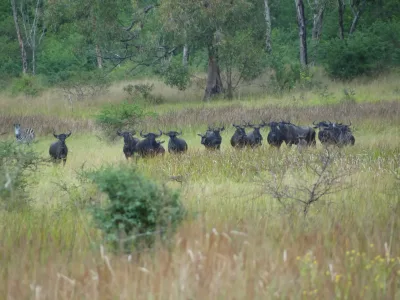
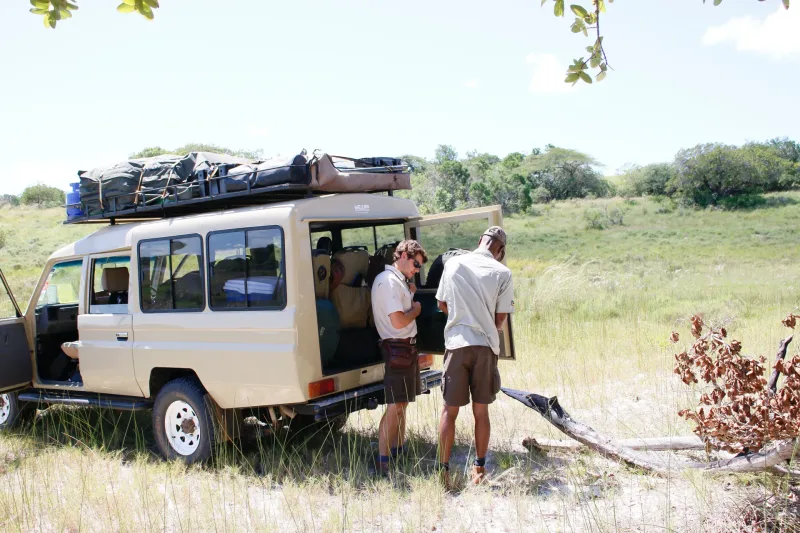
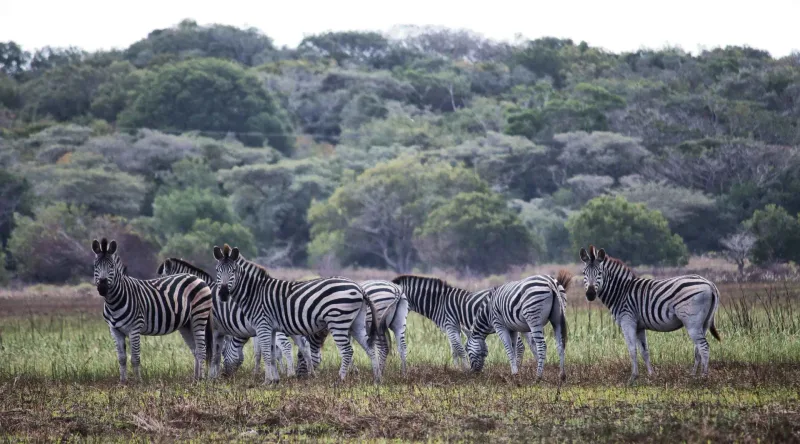
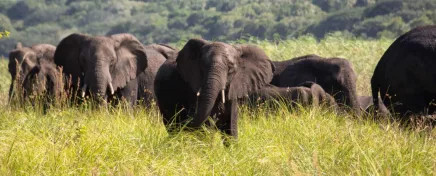
Maputo National Park — Guided safaris in the park are among the safest ways to experience Mozambican wildlife. You travel in a 4×4 with a licensed guide, stay on designated tracks, and camp or lodge within the park's managed areas. Read our safari season guide for the best months to visit.
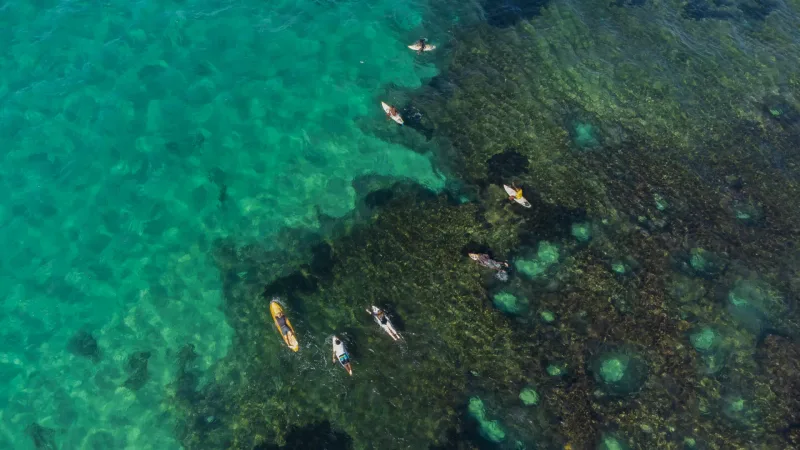
Inhaca Island & coastal areas — Day trips to Inhaca and marine excursions operate daily with established boat operators. Primary safety considerations are ocean conditions and sun exposure rather than crime. Our Coastal Escapes trip handles all marine logistics privately.
Tofo & Inhambane — This dive and beach hub welcomes tens of thousands of international visitors annually. The village atmosphere is relaxed, lodges are well-managed, and crime affecting tourists is rare when standard precautions are followed.
Cross-border safaris (Kruger, Eswatini) — Border crossings add complexity but are routine for experienced operators. Mabeco handles all immigration paperwork on Kruger and Eswatini expeditions daily.
Practical Safety Tips
- Book with reputable operators — Licensed guides, insured vehicles and established track records matter more in Mozambique than in plug-and-play destinations
- Avoid night driving — Roads outside cities often lack lighting, may have potholes and unlit vehicles; complete journeys before sunset
- Use a 4×4 for safaris — Standard saloon cars cannot handle park tracks; public transport does not serve national parks
- Carry travel insurance — Include emergency medical evacuation cover; advanced hospitals are limited outside Maputo
- Get your ETA/eVisa in advance — Apply at evisa.gov.mz at least 48 hours before travel; print your approval
- Keep valuables discreet — Especially in Maputo markets and busy areas; use hotel safes for passports and excess cash
- Check government advisories — Review UK FCDO or your country's equivalent before booking
- Drink bottled water — Outside major hotels and lodges; avoid ice from unknown sources in rural areas
Health & Medical Considerations
Mozambique is a malaria zone, particularly during the wet season (November–April). Consult your doctor about prophylaxis before travel. Yellow fever vaccination is required if arriving from a yellow fever endemic country. Maputo has private clinics with reasonable standards; remote park areas are far from advanced medical care — another reason comprehensive insurance and travelling with an experienced operator matters.
Why Guided Expeditions Are Safer
Mozambique rewards travellers who plan well — and punishes those who wing it. A specialised operator like Mabeco eliminates the highest-risk variables: unlit night drives on unfamiliar roads, navigating sandy park tracks without recovery equipment, border queues without proper documentation, and ad-hoc boat charters without safety equipment.
Our Land Cruiser fleet, licensed guides and decade of cross-border experience mean you focus on elephants, whale sharks and Indian Ocean sunsets — not logistics. For accommodation standards on our routes, see our where to stay guide.
Is Mozambique Safe for Solo Travellers, Families and Women?
Solo travellers — Common and welcomed in Tofo, Maputo and beach destinations. Joining a guided safari or group expedition adds security and social connection.
Families — Southern Mozambique is increasingly popular with families. Private tours allow flexible pacing, and lodges on our itineraries are family-tested.
Women travellers — No specific restrictions, but standard precautions apply in cities. Guided travel removes most concerns; beach and safari destinations are relaxed and hospitable.
Questions about planning a safe Mozambique trip? Contact our Maputo team, browse all expeditions, or read our wildlife guide to start building your itinerary.