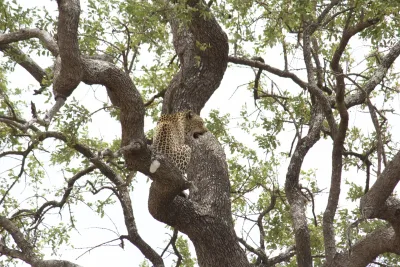
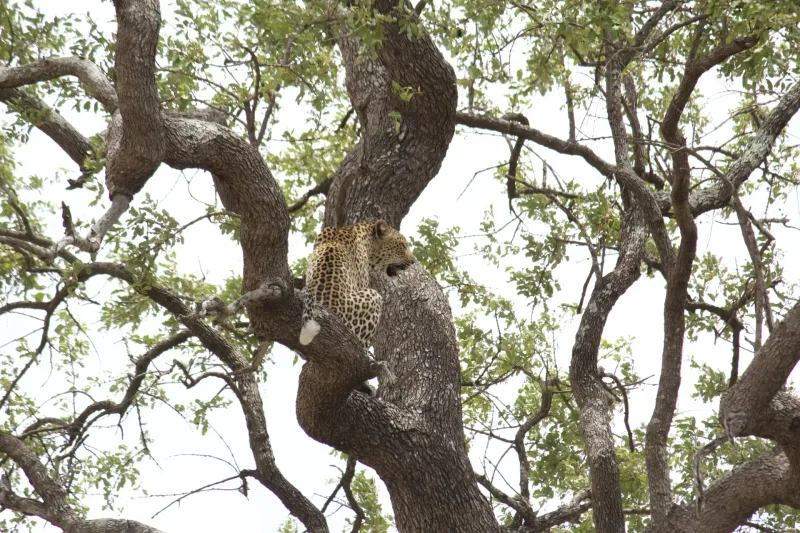
Mozambique is one of southern Africa's most ecologically diverse destinations. Unlike the classic inland savanna of Kruger or the Okavango, much of the country's accessible wildlife lives where coastal forest, freshwater lakes and the Indian Ocean meet — creating habitats found almost nowhere else on the continent.
Terrestrial Wildlife — Maputo National Park
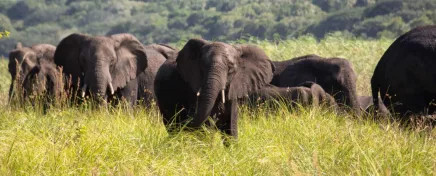
Maputo National Park is Mabeco's core safari destination and the most rewarding place to see land animals without leaving Mozambique. Just two hours south of the capital, the park protects one of the last naturally occurring coastal elephant populations in southern Africa — herds that move through dune forest, open grassland and mangrove-lined lagoons rather than typical inland bushveld.
On guided 4x4 game drives you can expect:
- Elephants — often in herds of 20 or more around the Futi Corridor during dry months
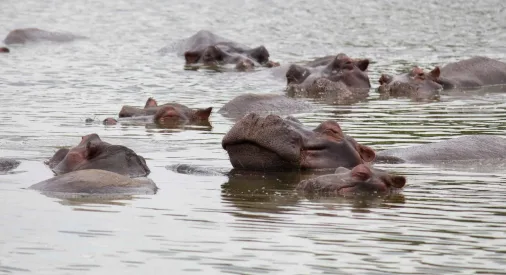
- Hippos — resident at Lake Xingute and coastal lagoons year-round
- Zebra, wildebeest, nyala and eland — commonly spotted on open plains
- Crocodiles — basking on lagoon edges throughout the park
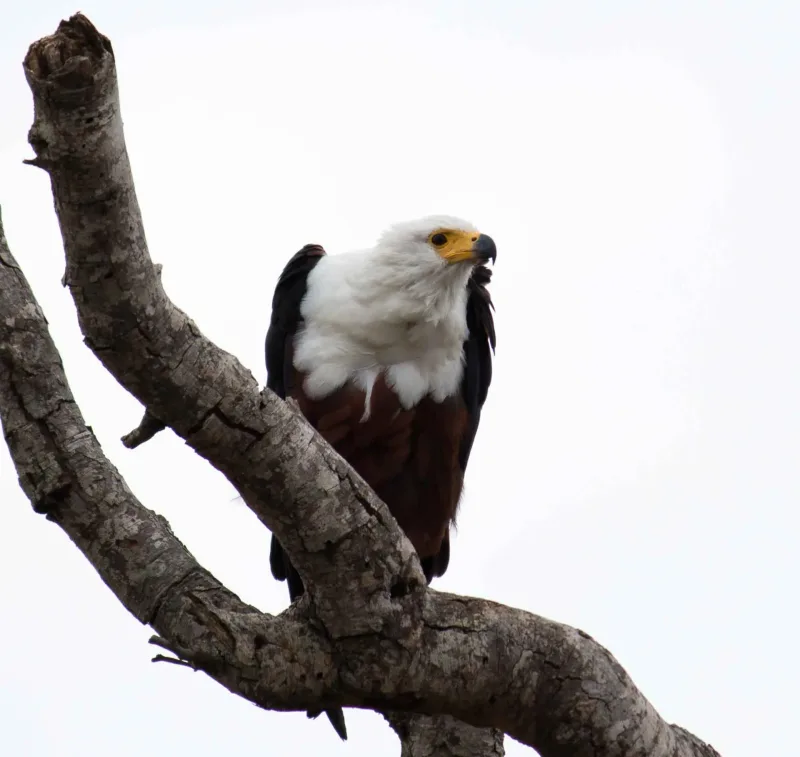
- Pel's fishing owl — a rare nocturnal specialist of riverine forest, prized by birders
The park's coastal-dune ecosystem is fundamentally different from inland Kruger — and that is part of its appeal. For the best time to visit, see our Maputo safari season guide.
Inland Mozambique — Zinave National Park
Further north, Zinave National Park is a restoration success story managed in partnership with African Parks. Elephants, buffalo and other species have been reintroduced after decades of decline. Mabeco's 12-Day Camping Overland and multi-day flagship expeditions include Zinave as a wilderness extension — a raw, uncrowded contrast to the coastal parks.
Marine Wildlife — Tofo & the Inhambane Coast
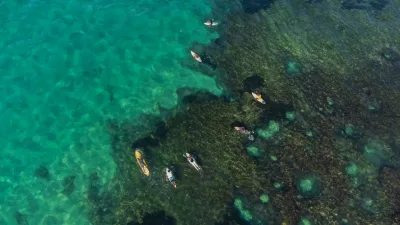
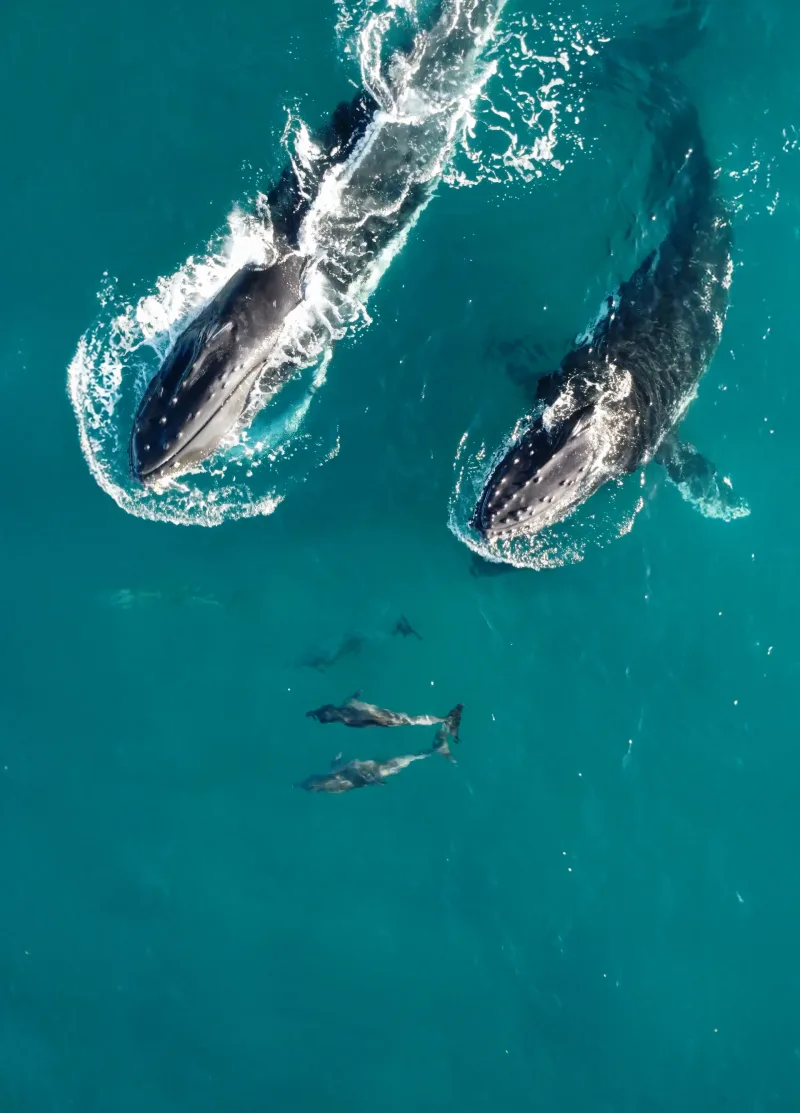
Tofo Beach is globally known as the whale shark capital of Africa. Warm, nutrient-rich waters attract these gentle giants year-round, alongside giant manta rays, reef sharks and vibrant coral communities. From June to November, humpback whales breach along the coast during their northward migration.
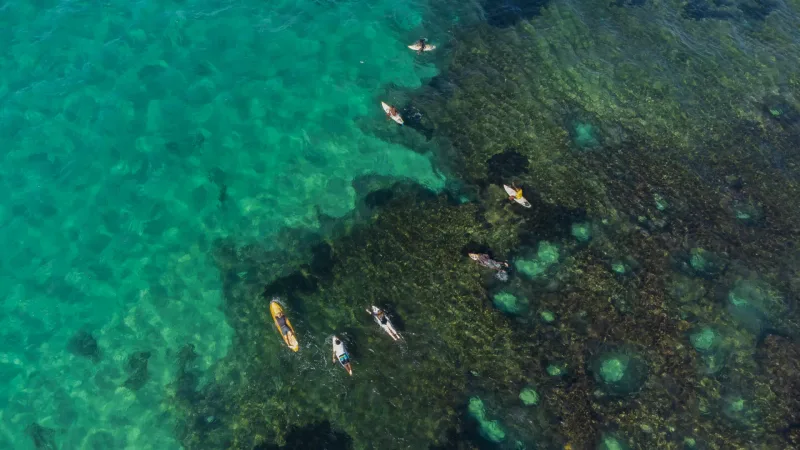
Snorkel and ocean safari trips allow close encounters without scuba certification — though certified divers can access deeper sites on our 14-Day Dive Safari. For dive sites, seasons and certification advice, read our full Tofo diving guide.
Coastal & Island Ecosystems
Inhaca Island — reached by private speedboat on our Coastal Escapes day trip — offers pristine snorkelling reefs, dolphin sightings and seasonal whale activity just off Maputo.
The Bazaruto Archipelago further north is a marine national park renowned for dugongs, dolphins and exceptional reef diving. Our 16-Day Signature Tour and 15-Day Flagship Tour include island sailing and snorkelling in this protected chain.
The mangrove estuaries of the Inhambane coast — restored through the Azada Verde conservation programme — are critical nurseries for the reef fish and megafauna that make Tofo famous. These blue-carbon habitats connect terrestrial conservation directly to marine biodiversity.
Planning Your Wildlife Trip
The most rewarding Mozambique itineraries combine at least two ecosystems: a guided safari in Maputo National Park and a coastal or marine leg at Tofo, Inhaca or Bazaruto. Mabeco handles private 4x4 logistics, park fees, accommodation and expert guides across all legs — so you focus on the wildlife, not the logistics.
Pack neutral clothing for game drives, reef-safe sunscreen for ocean days, binoculars and a warm layer for cool May–August safari mornings. International visitors can fly into Maputo and arrange an e-visa via evisa.gov.mz.
Ready to see Mozambique's wildlife firsthand? Explore our Maputo National Park safari, browse all expeditions, or contact us to build a custom bush-and-beach itinerary.